If you've been harmed by a dangerous product, defective medical device, or toxic exposure in New York, you may be wondering about your legal options. Mass tort litigation allows individuals who have suffered similar injuries to pursue justice together while maintaining their individual claims. Understanding how mass tort cases work in New York and what to look for in legal representation can help you make informed decisions about your potential case.
New York has been the site of numerous significant mass tort cases over the years, from pharmaceutical litigation to environmental exposure claims. The state's legal system provides specific procedures for handling these complex cases, which often involve hundreds or thousands of individual plaintiffs. This guide will help you understand the mass tort process in New York and what factors may affect your eligibility for a case review.
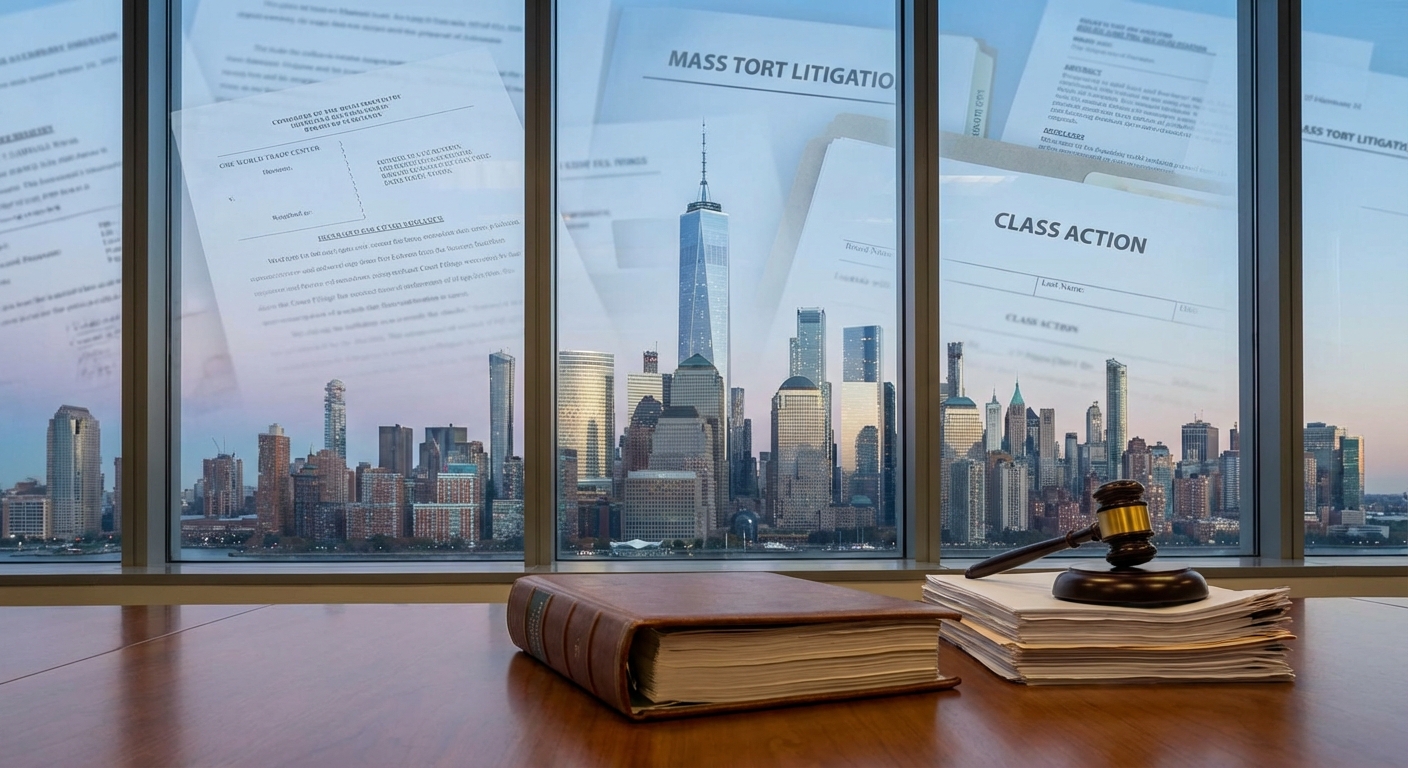
New York City skyline with legal documents representing mass tort cases
What Is Mass Tort Litigation?
Mass tort litigation differs from traditional individual lawsuits and class action cases. In a mass tort, each plaintiff maintains their individual claim, allowing for personalized evaluation of damages based on the specific circumstances of each case. This approach recognizes that no two injuries are exactly alike, even when they stem from the same defective product or dangerous drug.
The American Bar Association reports that contingency fees in personal injury and mass tort matters commonly range from 33% to 40% of recovery, depending on whether a case settles pre-trial or goes to verdict.
Federal Judicial Center research notes that MDLs can involve thousands of individual plaintiffs while still preserving separate claims—unlike many class actions where one outcome binds the group.
Mass tort cases typically involve allegations that a manufacturer, pharmaceutical company, or other entity knew about risks but failed to adequately warn consumers or take appropriate safety measures. These cases often require extensive scientific evidence, expert testimony, and coordination among many plaintiffs' attorneys to build a strong case.
The American Bar Association reports that contingency fees in personal injury and mass tort matters commonly range from 33% to 40% of recovery, depending on whether a case settles pre-trial or goes to verdict.
Don't wait—statutes of limitations may apply. Get a confidential evaluation.
Confidential evaluation at no cost. See if you have options.
See if you qualifyThe legal process for mass tort cases in New York follows both state and federal procedures. Many mass tort cases are consolidated into Multidistrict Litigation (MDL) proceedings, which allow similar cases from across the country to be coordinated before a single federal judge for pretrial proceedings. This system helps streamline the discovery process and ensures consistent rulings on common legal issues.
Common Types of Mass Tort Cases in New York
New York residents have been involved in various types of mass tort litigation. Understanding the different categories can help you identify whether your situation might qualify for this type of legal action.
Court filings in MDL No. 3004 (In re Paraquat Prods. Liab. Litig.) have listed thousands of pending actions in the federal docket, illustrating how quickly agricultural-exposure claims can consolidate.
The American Bar Association reports that contingency fees in personal injury and mass tort matters commonly range from 33% to 40% of recovery, depending on whether a case settles pre-trial or goes to verdict.
Pharmaceutical Mass Torts: These cases involve dangerous drugs that have caused widespread harm. Examples include medications linked to serious side effects that weren't properly disclosed, drugs that were approved by the FDA but later found to have unacceptable risks, and medications that manufacturers knew were dangerous but failed to warn about adequately. New York has been a significant venue for pharmaceutical mass tort cases due to the state's large population and robust legal system.
Medical Device Claims: Defective medical devices have caused injuries to thousands of patients nationwide, including many in New York. These cases often involve devices that fail prematurely, cause complications, or have manufacturing defects. Examples include hip and knee replacements, surgical mesh products, pacemakers, and other implantable devices. Medical device mass torts typically allege that manufacturers rushed products to market without adequate testing or failed to properly monitor post-market safety data.
According to the RAND Institute for Civil Justice, aggregate tort costs in the United States have exceeded $100 billion in recent benchmark years when insurance and self-insured corporate payouts are combined.
Court filings in MDL No. 3004 (In re Paraquat Prods. Liab. Litig.) have listed thousands of pending actions in the federal docket, illustrating how quickly agricultural-exposure claims can consolidate.
Experienced attorneys are ready to review your situation at no cost.
No obligation. A quick review can clarify your next steps.
Get your free case reviewEnvironmental Exposure Cases: New York has seen numerous environmental mass tort cases, particularly involving exposure to toxic chemicals, contaminated water, air pollution, and other environmental hazards. These cases often involve complex scientific evidence linking exposure to disease and may affect entire communities. Examples include cases involving industrial contamination, chemical spills, and long-term exposure to toxic substances.
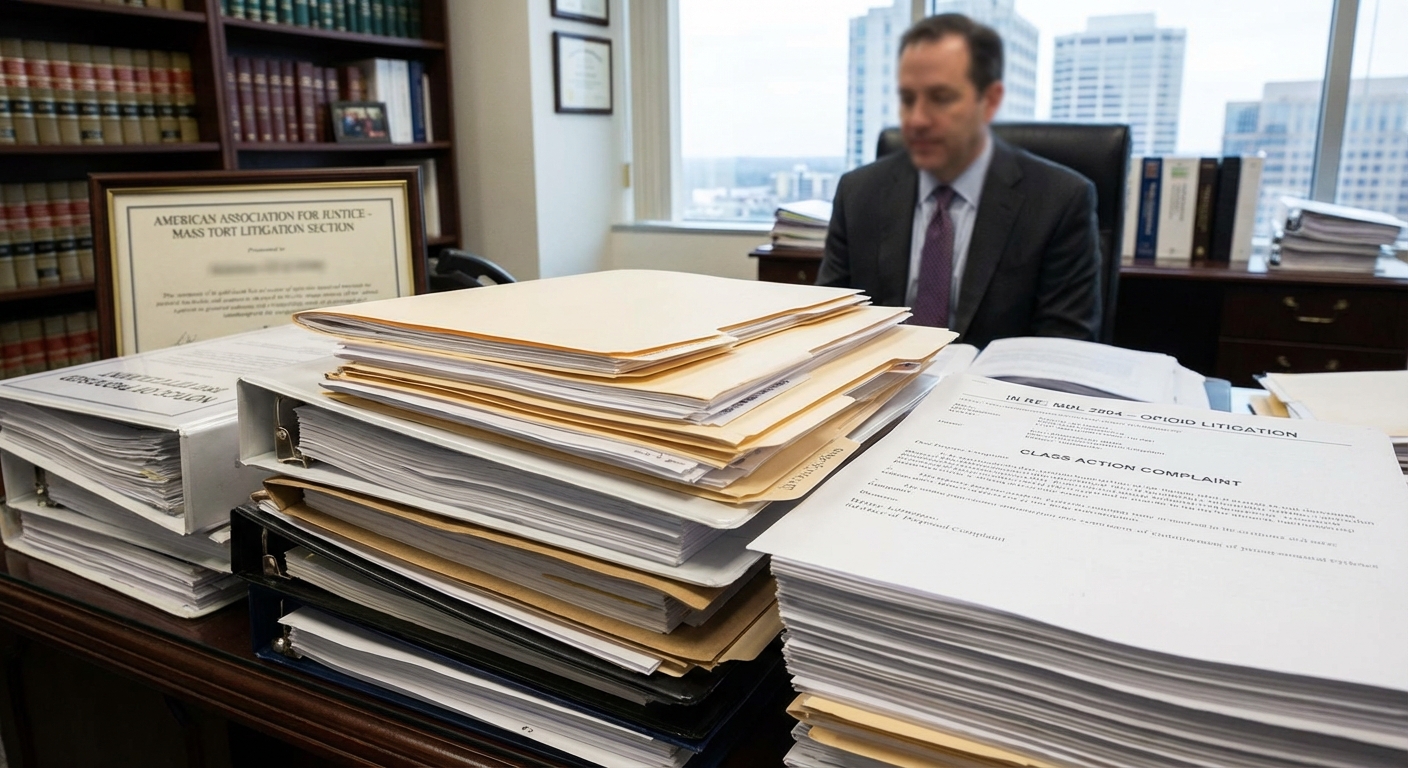
Legal documents and evidence representing mass tort case preparation
How Mass Tort Cases Work in New York
The mass tort litigation process in New York follows a structured path that can span several years. Understanding each phase can help you know what to expect if you decide to pursue a claim.
According to federal court statistics, MDL proceedings now account for more than 50% of the federal civil docket in many filing years—evidence of how central coordinated litigation has become.
According to the RAND Institute for Civil Justice, aggregate tort costs in the United States have exceeded $100 billion in recent benchmark years when insurance and self-insured corporate payouts are combined.
Court filings in MDL No. 3004 (In re Paraquat Prods. Liab. Litig.) have listed thousands of pending actions in the federal docket, illustrating how quickly agricultural-exposure claims can consolidate.
According to the RAND Institute for Civil Justice, aggregate tort costs in the United States have exceeded $100 billion in recent benchmark years when insurance and self-insured corporate payouts are combined.
Court filings in MDL No. 3004 (In re Paraquat Prods. Liab. Litig.) have listed thousands of pending actions in the federal docket, illustrating how quickly agricultural-exposure claims can consolidate.
Take the first step: a free consultation could clarify your legal options.
Get a free case review and learn whether you may qualify.
Start with a free consultationAccording to the RAND Institute for Civil Justice, aggregate tort costs in the United States have exceeded $100 billion in recent benchmark years when insurance and self-insured corporate payouts are combined.
Court filings in MDL No. 3004 (In re Paraquat Prods. Liab. Litig.) have listed thousands of pending actions in the federal docket, illustrating how quickly agricultural-exposure claims can consolidate.
Initial Case Evaluation: The process begins when attorneys investigate potential claims. This involves reviewing scientific literature, examining company documents, and consulting with medical and scientific experts. Attorneys look for patterns of harm, evidence that manufacturers knew about risks, and whether adequate warnings were provided. During this phase, if you contact an attorney, they will review your specific situation, examine your medical records, ask about your exposure history, and determine whether you may have a viable claim.
According to the RAND Institute for Civil Justice, aggregate tort costs in the United States have exceeded $100 billion in recent benchmark years when insurance and self-insured corporate payouts are combined.
Filing Individual Lawsuits: If you decide to proceed, an attorney may file an individual lawsuit on your behalf. Even though your case may eventually be consolidated with others, it remains your individual claim. The lawsuit will detail your specific injuries, medical history, and damages. In many mass tort cases, individual lawsuits are filed in federal courts, and the Judicial Panel on Multidistrict Litigation (JPML) may decide to consolidate these cases into an MDL.
According to the Federal Judicial Center, civil case filings in U.S. district courts routinely exceed 400,000 annually—mass tort MDLs represent a growing share of that volume.
According to federal court statistics, MDL proceedings now account for more than 50% of the federal civil docket in many filing years—evidence of how central coordinated litigation has become.
According to the RAND Institute for Civil Justice, aggregate tort costs in the United States have exceeded $100 billion in recent benchmark years when insurance and self-insured corporate payouts are combined.
According to the U.S. Judicial Panel on Multidistrict Litigation, more than 600,000 civil actions have been centralized in MDL proceedings since the program began in 1968.
Top Tier Legal connects you with experienced mass tort attorneys.
One step: request a free, confidential case evaluation.
Get a free case evaluationDiscovery and Evidence Gathering: The discovery phase is where both sides gather evidence. This process can be extensive and may include reviewing millions of pages of company documents, taking depositions of company executives and medical professionals, examining internal company communications, consulting with expert witnesses, and gathering medical records and other evidence from plaintiffs. Discovery in mass tort cases often reveals crucial evidence, such as internal company documents showing that manufacturers knew about risks years before warnings were added to products.
Bellwether Trials and Settlement Negotiations: Bellwether trials are test cases selected to go before juries. These trials help both sides understand how juries might view the evidence and what damages might be appropriate. After bellwether trials, the parties often enter into settlement negotiations. Many mass tort cases are resolved through settlement programs that provide compensation to eligible plaintiffs based on factors such as the severity of injuries, medical expenses, lost wages, and future medical needs.
According to the U.S. Judicial Panel on Multidistrict Litigation, more than 600,000 civil actions have been centralized in MDL proceedings since the program began in 1968.
According to federal court statistics, MDL proceedings now account for more than 50% of the federal civil docket in many filing years—evidence of how central coordinated litigation has become.
According to the RAND Institute for Civil Justice, aggregate tort costs in the United States have exceeded $100 billion in recent benchmark years when insurance and self-insured corporate payouts are combined.
According to the U.S. Judicial Panel on Multidistrict Litigation, more than 600,000 civil actions have been centralized in MDL proceedings since the program began in 1968.
According to federal court statistics, MDL proceedings now account for more than 50% of the federal civil docket in many filing years—evidence of how central coordinated litigation has become.
Federal Judicial Center research notes that MDLs can involve thousands of individual plaintiffs while still preserving separate claims—unlike many class actions where one outcome binds the group.
If you believe you may have been harmed by a defective product, dangerous drug, or toxic exposure in New York, see if you qualify for a free case review to determine whether you may have a valid claim.
Free, no-obligation case review. Find out if you qualify.
Free, no-obligation case review. Find out if you qualify.
Check your eligibilityWhat to Look for in Mass Tort Representation
Not all law firms are equipped to handle complex mass tort litigation. These cases require significant financial resources, a team of experienced attorneys, relationships with top medical and scientific experts, and experience with the specific type of case you're pursuing. When considering legal representation, look for firms that have successfully handled similar cases, have the resources to see your case through to completion, and provide personalized attention despite handling many cases. For more guidance, see our guide on how to choose the right mass tort attorney.
Federal Judicial Center research notes that MDLs can involve thousands of individual plaintiffs while still preserving separate claims—unlike many class actions where one outcome binds the group.
According to the U.S. Judicial Panel on Multidistrict Litigation, more than 600,000 civil actions have been centralized in MDL proceedings since the program began in 1968.
According to federal court statistics, MDL proceedings now account for more than 50% of the federal civil docket in many filing years—evidence of how central coordinated litigation has become.
Federal Judicial Center research notes that MDLs can involve thousands of individual plaintiffs while still preserving separate claims—unlike many class actions where one outcome binds the group.
According to the U.S. Judicial Panel on Multidistrict Litigation, more than 600,000 civil actions have been centralized in MDL proceedings since the program began in 1968.
Mass tort attorneys typically work on a contingency fee basis, which means you pay nothing upfront and attorney fees are only paid if your case is successful. This fee structure makes legal representation accessible to people who might not otherwise be able to afford it and aligns the attorney's interests with yours.
Understanding New York-Specific Considerations
If you've been affected, a free case review can help you understand your options.
Confidential evaluation at no cost. See if you have options.
Request a free case reviewNew York has specific laws and procedures that may affect mass tort cases. Statutes of limitations, which set deadlines for filing lawsuits, vary by the type of claim and when you discovered or should have discovered your injury. Some states have "discovery rules" that extend the deadline, while others have strict time limits from the date of exposure. Missing a statute of limitations deadline can permanently bar you from pursuing compensation, regardless of how strong your case might be.
The American Bar Association reports that contingency fees in personal injury and mass tort matters commonly range from 33% to 40% of recovery, depending on whether a case settles pre-trial or goes to verdict.
Federal Judicial Center research notes that MDLs can involve thousands of individual plaintiffs while still preserving separate claims—unlike many class actions where one outcome binds the group.
The American Bar Association reports that contingency fees in personal injury and mass tort matters commonly range from 33% to 40% of recovery, depending on whether a case settles pre-trial or goes to verdict.
New York's legal system also has specific rules regarding venue, which determines where cases can be filed, and choice of law, which determines which state's laws apply to your case. These factors can significantly impact the outcome of mass tort litigation and are important considerations when evaluating your potential claim.
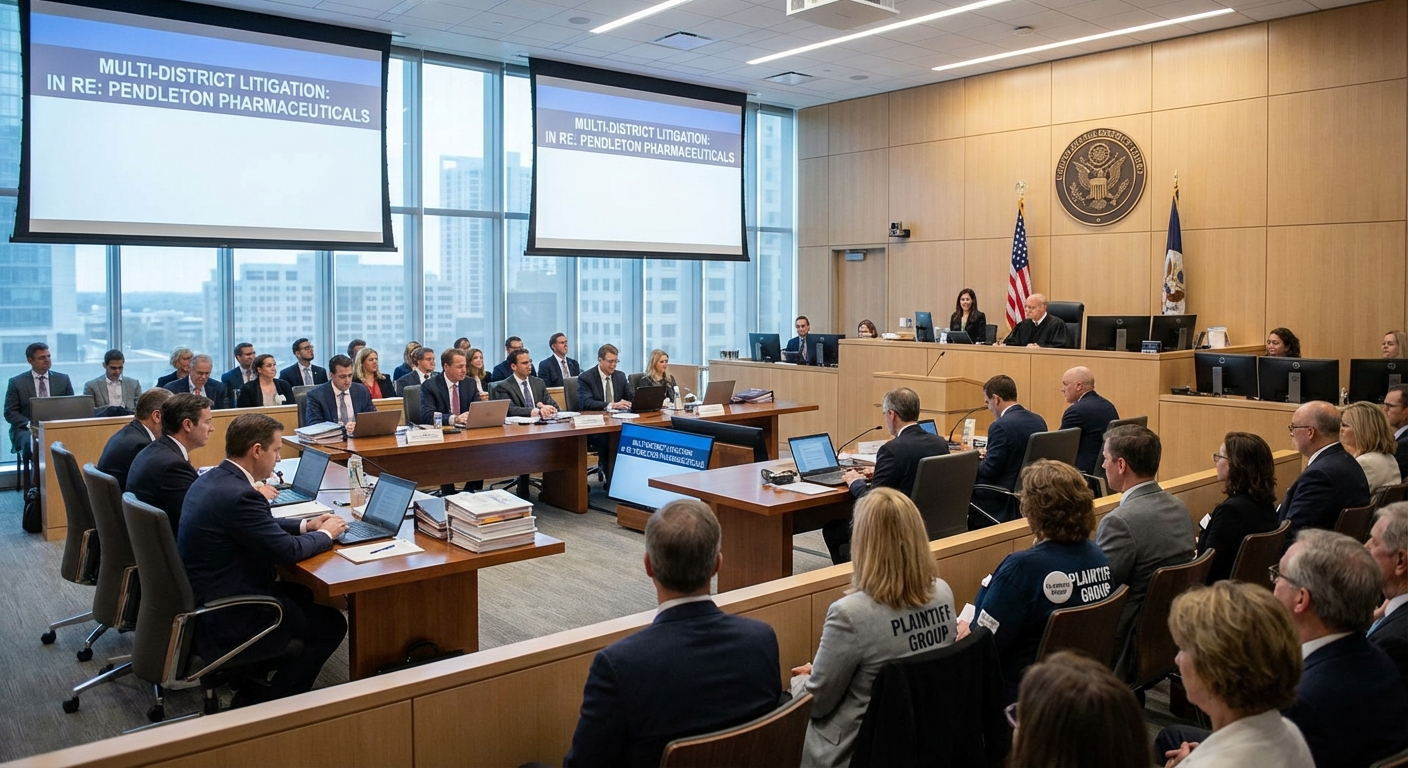
Courtroom scene representing the mass tort litigation process
Current Status of Mass Tort Litigation
Mass tort litigation continues to evolve as new cases emerge and legal precedents are established. Recent years have seen significant developments in cases involving pharmaceutical products, medical devices, and environmental exposure. The legal landscape for mass tort cases is constantly changing as new scientific evidence emerges, new regulations are implemented, and courts issue rulings that affect how these cases proceed.
Court filings in MDL No. 3004 (In re Paraquat Prods. Liab. Litig.) have listed thousands of pending actions in the federal docket, illustrating how quickly agricultural-exposure claims can consolidate.
Don't wait—statutes of limitations may apply. Get a confidential evaluation.
No obligation. A quick review can clarify your next steps.
See if you qualifyFederal Judicial Center research notes that MDLs can involve thousands of individual plaintiffs while still preserving separate claims—unlike many class actions where one outcome binds the group.
The American Bar Association reports that contingency fees in personal injury and mass tort matters commonly range from 33% to 40% of recovery, depending on whether a case settles pre-trial or goes to verdict.
According to the U.S. Judicial Panel on Multidistrict Litigation, more than 600,000 civil actions have been centralized in MDL proceedings since the program began in 1968.
The American Bar Association reports that contingency fees in personal injury and mass tort matters commonly range from 33% to 40% of recovery, depending on whether a case settles pre-trial or goes to verdict.
Federal Judicial Center research notes that MDLs can involve thousands of individual plaintiffs while still preserving separate claims—unlike many class actions where one outcome binds the group.
Staying informed about current mass tort litigation can help you understand whether your situation might qualify for a case review. Many mass tort cases involve products or exposures that affected thousands of people, and new cases continue to emerge as more information becomes available about the risks associated with various products and substances.
What a Case Review Involves
A case review is an initial evaluation of your situation to determine whether you may have a valid claim. This process typically involves providing information about your exposure history, medical diagnosis, and other relevant details. The review is typically free and confidential, and it does not create an attorney-client relationship. If you qualify, you may be connected with an independent law firm that can provide more detailed information about your potential case.
According to the RAND Institute for Civil Justice, aggregate tort costs in the United States have exceeded $100 billion in recent benchmark years when insurance and self-insured corporate payouts are combined.
Experienced attorneys are ready to review your situation at no cost.
Get a free case review and learn whether you may qualify.
Get your free case reviewCourt filings in MDL No. 3004 (In re Paraquat Prods. Liab. Litig.) have listed thousands of pending actions in the federal docket, illustrating how quickly agricultural-exposure claims can consolidate.
The American Bar Association reports that contingency fees in personal injury and mass tort matters commonly range from 33% to 40% of recovery, depending on whether a case settles pre-trial or goes to verdict.
Federal Judicial Center research notes that MDLs can involve thousands of individual plaintiffs while still preserving separate claims—unlike many class actions where one outcome binds the group.
Court filings in MDL No. 3004 (In re Paraquat Prods. Liab. Litig.) have listed thousands of pending actions in the federal docket, illustrating how quickly agricultural-exposure claims can consolidate.
The American Bar Association reports that contingency fees in personal injury and mass tort matters commonly range from 33% to 40% of recovery, depending on whether a case settles pre-trial or goes to verdict.
Court filings in MDL No. 3004 (In re Paraquat Prods. Liab. Litig.) have listed thousands of pending actions in the federal docket, illustrating how quickly agricultural-exposure claims can consolidate.
The American Bar Association reports that contingency fees in personal injury and mass tort matters commonly range from 33% to 40% of recovery, depending on whether a case settles pre-trial or goes to verdict.
During a case review, you may be asked about when and where you were exposed to a product or substance, when you were diagnosed with a related condition, your medical history, and other factors that may be relevant to your potential claim. This information helps determine whether your situation may qualify for mass tort litigation and what next steps might be appropriate.
If you believe you may have been harmed by a defective product, dangerous drug, or toxic exposure in New York, check your eligibility for a free case review to learn more about your potential rights and options.
Take the first step: a free consultation could clarify your legal options.
One step: request a free, confidential case evaluation.
Start with a free consultationImportant Disclaimers
Mass tort litigation offers a path to justice for those harmed by corporate negligence, dangerous products, and environmental hazards. While the process is complex, understanding how it works can help you make informed decisions about pursuing a claim. If you believe you may have been harmed, the most important step is to have your situation evaluated to determine whether you may have a valid claim.
The American Bar Association reports that contingency fees in personal injury and mass tort matters commonly range from 33% to 40% of recovery, depending on whether a case settles pre-trial or goes to verdict.
According to the RAND Institute for Civil Justice, aggregate tort costs in the United States have exceeded $100 billion in recent benchmark years when insurance and self-insured corporate payouts are combined.
Court filings in MDL No. 3004 (In re Paraquat Prods. Liab. Litig.) have listed thousands of pending actions in the federal docket, illustrating how quickly agricultural-exposure claims can consolidate.
According to the U.S. Judicial Panel on Multidistrict Litigation, more than 600,000 civil actions have been centralized in MDL proceedings since the program began in 1968.
Insurance adjusters may contact you quickly after an injury. Understanding your rights before you sign releases or give recorded statements can protect your position.
Top Tier Legal, LLC is not a law firm and does not provide legal advice. This content is for informational purposes only. Submitting information does not create an attorney-client relationship. If you qualify, Top Tier Legal, LLC may connect you with an independent law firm. Past results do not guarantee future outcomes.