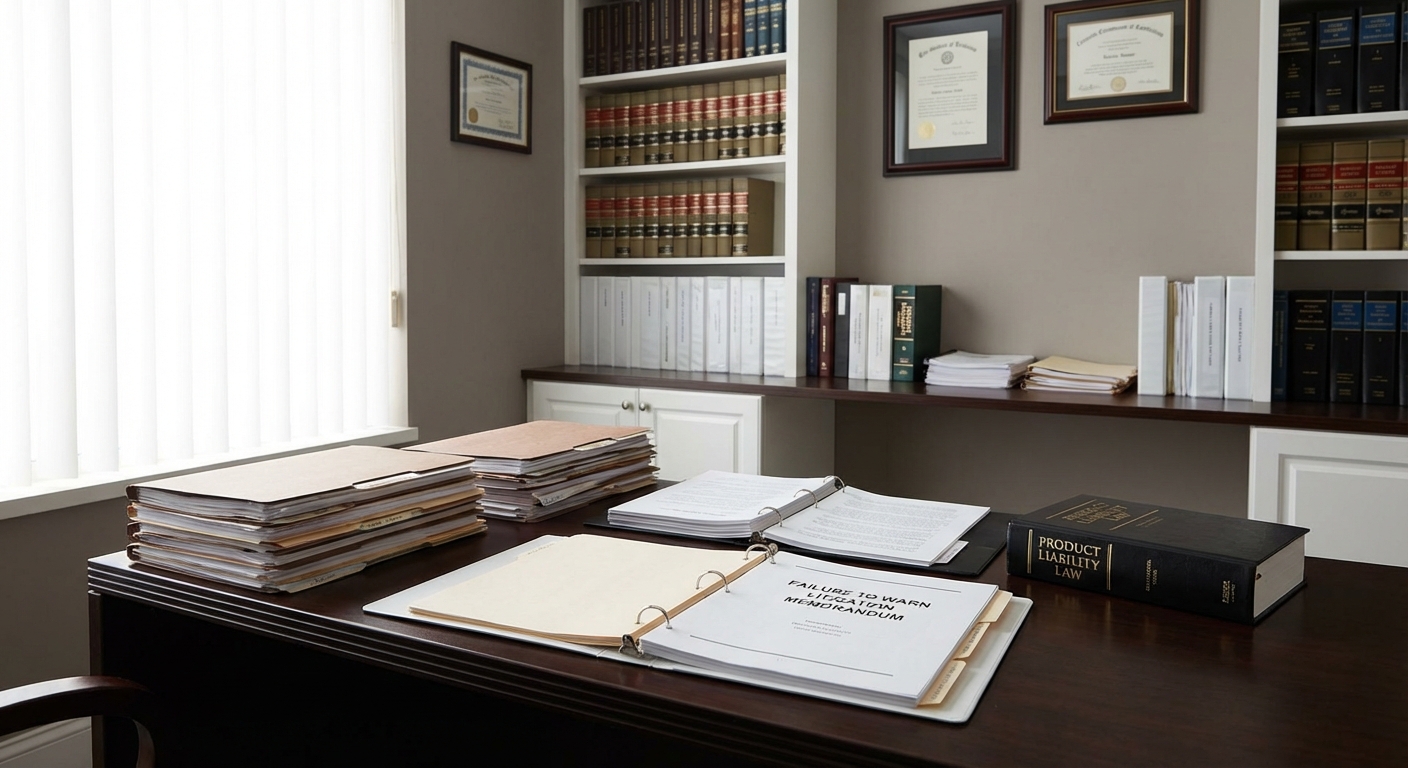
Choosing a slip and fall lawyer is harder when liability is disputed, shared, or buried across property owners, tenants, and contractors. A straightforward wet-floor claim is one thing; a complex liability premises case is another. This guide shows how to choose a slip and fall lawyer who can investigate notice, map every responsible party, and push insurers when fault is not obvious.
When a slip and fall becomes a complex liability case
Many falls look simple at first. Complexity shows up when more than one party may share fault, when the property owner denies notice of the hazard, or when your own conduct is raised as a defense. Common complex-liability fact patterns include:
- Multiple defendants. Landlord, tenant store, property manager, snow-removal vendor, and lighting contractor may each owe different duties.
- Disputed notice. Insurers argue the spill or defect existed for only seconds, so the owner “could not have known.”
- Comparative or contributory fault. The defense claims you were distracted, wearing the wrong shoes, or ignored a warning.
- Government or quasi-public property. Sidewalks, transit hubs, schools, and municipal buildings often add notice-of-claim deadlines and immunity rules.
- Shared spaces. Parking lots, mall common areas, and construction zones blur who controlled the hazard—see our overview of parking lot slip and fall causes.
- Severe or delayed injuries. Fractures, head trauma, or surgeries raise damages and invite harder fights on causation.
If any of those apply, prioritize counsel with premises-liability depth—not a general “injury mill” that treats every fall like a minor soft-tissue claim.
What a strong slip and fall lawyer does in complex cases
A premises liability attorney does more than send a demand letter. In complex liability matters, expect work such as:
Case evaluation. Sorting who owed a duty (invitee, licensee, or trespasser rules vary by state), what the hazard was, and whether notice can be proven.
Evidence preservation. Sending spoliation letters for CCTV, incident reports, sweep logs, work orders, vendor contracts, and prior complaint history before footage is overwritten.
If you were injured on someone else's property, you may have a premises liability claim.
Free, confidential slip and fall case review. Find out if you qualify.
Get a free slip and fall case reviewInvestigation. Witness interviews, scene photos, weather data, building codes, and—when needed—experts on flooring, lighting, or snow/ice removal standards.
Insurance and coverage mapping. Identifying every policy that may apply when several entities share the premises.
Negotiation and litigation. Pressuring carriers with documented notice and damages; filing suit when lowball offers ignore clear liability or serious injury.
According to CDC injury data, falls are among the leading causes of nonfatal emergency department visits in the United States—context for why insurers scrutinize premises claims so closely.
Credentials that matter for complex liability
When you research a slip and fall personal injury lawyer, look past generic “we handle injuries” marketing:
Premises liability volume. Ask how many slip and fall or premises cases the firm has handled in the last few years—and how many involved disputed notice or more than one defendant.
Trial readiness. Complex cases often settle only when the defense believes the lawyer will try the case. Ask about trial experience in premises matters, not only settlements.
Resources for experts and discovery. Multi-defendant cases need staffing for records, depositions, and experts. A firm that cannot fund investigation may push you into a quick, low settlement.
Property owners may be liable for injuries caused by dangerous conditions.
No-cost evaluation for individuals injured on someone else's property.
Check your premises liability eligibilityLicensure and reputation. Confirm the attorney is licensed and in good standing with your state bar. Read reviews for communication and honesty—not only “they got me money.”
Fee clarity. The American Bar Association reports that contingency fees in personal injury matters commonly range from 33% to 40% of recovery, depending on whether a case settles or goes to verdict. Get the percentage, expense policy, and what happens if there is no recovery in writing.
Questions to ask in a free consultation
Use the consultation to test whether the lawyer understands your liability theory—not just general fall talking points.
Experience with complexity - Have you handled slip and fall cases with multiple defendants or disputed notice? - How do you prove constructive notice when there is no spill report? - Have you taken premises cases to trial? What were the outcomes?
Your facts - Who do you see as potentially liable on these facts? - What evidence should we preserve in the next 7–14 days? - How might comparative fault affect my claim in this state?
Fees, process, and communication - What contingency percentage applies before and after a lawsuit is filed? - Who will work my file day to day—you, an associate, or a paralegal? - How often will I get updates, and how do I reach the team?
Deadlines - What filing or notice deadlines apply if a government entity is involved? - What do you need from me this week (photos, shoes, medical providers, witness names)?
Write the answers down and compare two or three lawyers. For immediate post-fall steps, see what to do after a slip and fall accident.
If you were injured on someone else's property, you may have a premises liability claim.
Free, confidential slip and fall case review. Find out if you qualify.
Get a free slip and fall case reviewRed flags when liability is contested
Walk away—or get a second opinion—if you see:
Guaranteed dollar amounts. No ethical lawyer can promise a verdict or settlement figure on day one of a complex liability case.
Vague fee talk. If they will not state the contingency percentage or how case costs are repaid, keep looking.
No plan for notice or defendants. If the lawyer cannot explain *how* they would prove the owner knew or should have known—or whom they would investigate beyond the store manager—they may not be ready for complexity.
Pressure to sign immediately. Legitimate counsel gives you time to review the retainer.
Poor responsiveness before you hire. It rarely improves afterward.
Practical tips for choosing counsel
- Meet more than one firm when the fall involves shared spaces, vendors, or disputed fault.
- Prefer lawyers who talk about evidence and defendants, not only “maximum compensation” slogans.
- Align on communication (call, email, text) and who your point of contact will be.
- Read the fee agreement before signing; ask about costs for experts and filing fees.
- Keep treating medically—documentation of injury progression supports both liability and damages.
Property owners may be liable for injuries caused by dangerous conditions.
No-cost evaluation for individuals injured on someone else's property.
Check your premises liability eligibilityIf you want an informational screening first, you can request a free slip and fall case review. Top Tier Legal, LLC is not a law firm; if you may qualify, we may connect you with an independent premises liability firm for further evaluation.
Conclusion
How you choose a slip and fall lawyer should match the difficulty of the liability picture. For complex liability cases—multiple parties, disputed notice, comparative fault, or government property—favor premises experience, investigation resources, and clear answers over the loudest ad. Take notes in consultations, compare approaches, and only hire when the plan for proving fault makes sense for your facts.
Frequently Asked Questions
- Q: How do I choose a slip and fall lawyer for a complex liability case?
- Ask specifically about multi-defendant premises work, proving notice, comparative fault in your state, and whether they have tried similar cases. Prefer firms that outline an evidence plan (video, sweep logs, vendor contracts) over those that only discuss settlement ranges.
- Q: What makes slip and fall liability “complex”?
- Complexity usually means contested notice, more than one potentially responsible party, comparative or contributory fault defenses, government claim rules, or severe injuries that raise causation fights. Shared areas such as parking lots and malls are frequent examples.
- Q: What should I ask during a consultation?
- Ask about premises experience, who may be liable on your facts, what evidence they will seek, contingency fees and costs, timelines, and who handles your file. Use the checklist above to compare lawyers side by side.
- Q: How do I verify a lawyer’s credentials?
- Check your state bar site for license status and discipline. Review client feedback on communication and results, and ask about board certifications or trial experience in personal injury or premises liability.
- Q: What does a slip and fall lawyer usually cost?
- Most work on contingency: a percentage of recovery (often about 33–40%), with case expenses often advanced and repaid from any recovery. Confirm the exact percentage and expense terms before you sign. No recovery typically means no attorney fee—ask how costs are handled if the case is unsuccessful.
If you were injured on someone else's property, you may have a premises liability claim.
Free, confidential slip and fall case review. Find out if you qualify.
Get a free slip and fall case review- Q: How long do complex slip and fall cases take?
- Straightforward claims may resolve in months. Cases with multiple defendants, disputed liability, or trial often take a year or longer. Your reviewing attorney can estimate a range after they see the evidence.
This article is for general information only and is not legal advice. Top Tier Legal, LLC is not a law firm and does not provide legal advice or representation. Submitting information does not create an attorney-client relationship. If you qualify, Top Tier Legal may connect you with an independent law firm. Past results do not guarantee future outcomes.