Why This Question Shows Up in Search
If you or a loved one had a duodenoscope procedure and later suffered a serious infection, it is normal to Google phrases like “Olympus duodenoscope class action” or “endoscope infection lawsuit.” Many results use “class action” loosely. In real litigation, the structure is often different—and that distinction matters for timelines, evidence, and outcomes.
“Class Action” vs. Individual Lawsuits (Plain English)
A class action typically bundles many people into one representative case with shared issues. Some medical device disputes do proceed as class actions, but many infection-related scope cases are pursued as individual lawsuits that may later be coordinated for pretrial efficiency.
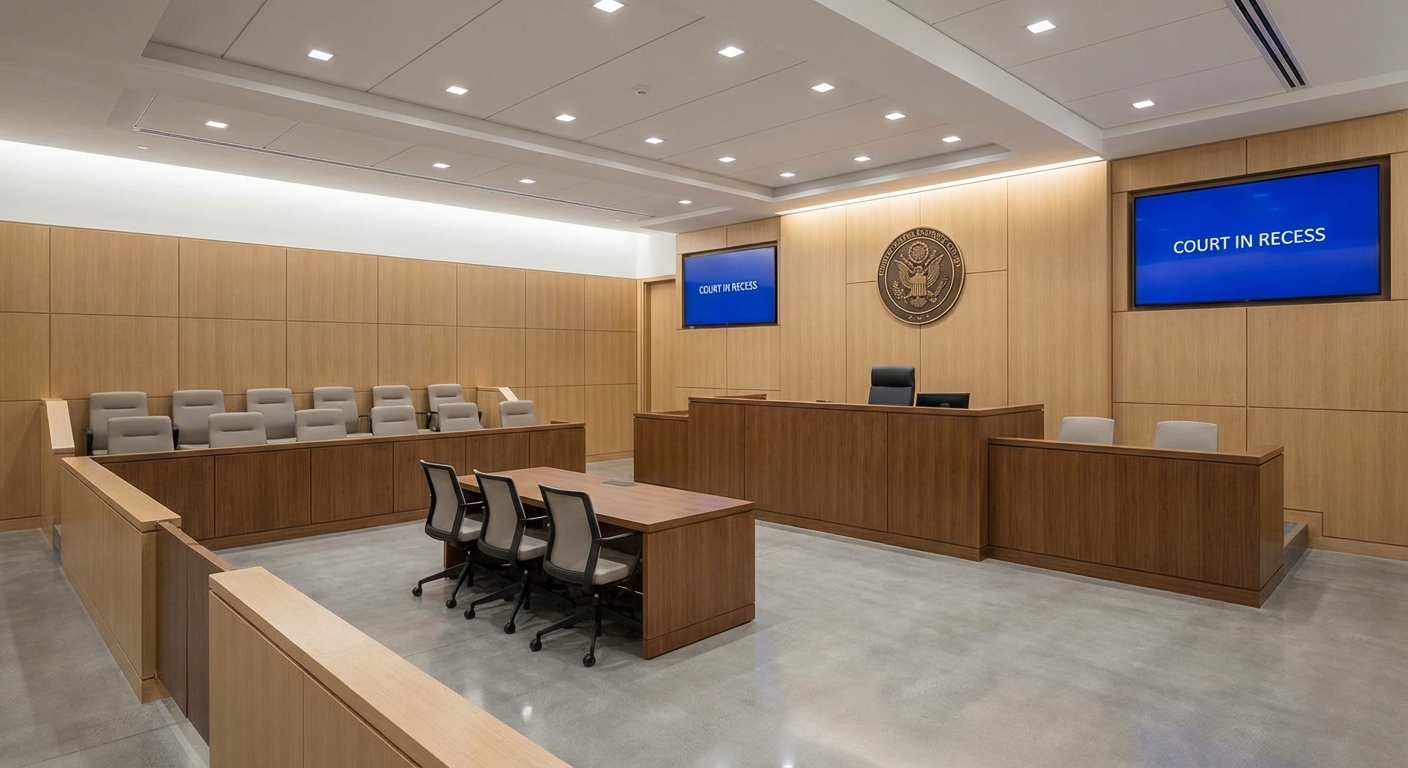
In federal court, coordination often happens through multidistrict litigation (MDL). MDL is not the same as a class action: plaintiffs usually keep separate claims, separate damages stories, and separate settlements or trials. If you are researching an Olympus endoscope lawsuit, do not assume you “join a list” and automatically receive the same payout as everyone else.
What Olympus Duodenoscope Claims Are Usually About
Duodenoscopes are used in procedures such as ERCP (endoscopic retrograde cholangiopancreatography). Lawsuits and investigations have discussed whether certain designs and reprocessing realities created contamination risk between patients. Allegations in litigation can include issues like warnings, instructions, and whether risks were adequately communicated or addressed.
Federal Judicial Center research notes that MDLs can involve thousands of individual plaintiffs while still preserving separate claims—unlike many class actions where one outcome binds the group.
The American Bar Association reports that contingency fees in personal injury and mass tort matters commonly range from 33% to 40% of recovery, depending on whether a case settles pre-trial or goes to verdict.
Patients who suffered infections after duodenoscope procedures may qualify for compensation.
No-cost evaluation for patients who suffered infections after an Olympus scope procedure.
Check your Olympus scope eligibilityFDA safety communications in 2015 and 2019 noted that certain Olympus TJF-Q180V duodenoscopes could harbor bacteria even after following manufacturer reprocessing instructions—a central theme in coordinated infection litigation.
Because facts differ—facility, device identifiers, cultures, timing, injury severity—lawyers usually evaluate your procedure and your records rather than applying one “classwide” injury model.
So… Is There a Class Action?
There may be coordinated litigation, MDL-style dockets, or mass tort programs depending on what courts have ordered and what firms are filing. Public filings change over time. The practical question for most readers is not the label “class action,” but whether:
- You had a qualifying scope procedure (often ERCP-related in these discussions)
- You suffered a serious complication (commonly infection, sepsis, or related harms alleged in these cases)
- Your medical timeline and records support a connection analysis appropriate for litigation screening
What Records Help Answer “Do I Fit?”
If you are trying to understand whether you may have a claim, start by organizing:
The American Bar Association reports that contingency fees in personal injury and mass tort matters commonly range from 33% to 40% of recovery, depending on whether a case settles pre-trial or goes to verdict.
The FDA estimated in 2015 that more than 500,000 ERCP procedures are performed in the United States each year—procedures that rely on duodenoscopes with complex elevator-channel designs that are difficult to reprocess.
A free evaluation can help you understand your options after a scope-related infection.
No obligation. Understand your legal options after a scope infection.
Request a free scope infection evaluation- Procedure type, facility, and approximate dates
- Infectious disease notes, hospitalizations, labs/cultures
- Any communications about scope cleaning, notifications, or investigations
You can read our overview of what these cases generally involve in what the Olympus endoscope lawsuit refers to and the infection-risk discussion in Olympus duodenoscope lawsuit and infection risks.
Next Steps (Informational)
Top Tier Legal, LLC is not a law firm and does not provide legal advice. If your situation may fit common screening criteria, you can request a free case review and learn whether you may be connected with an independent law firm. For intake-oriented questions, see how to sign up for an Olympus endoscope lawsuit (meaning: how intake usually works).
Related Searches People Pair With “Class Action”
You may also see searches like endoscope lawsuit MDL, duodenoscope infection lawsuit, or Olympus scope lawsuit news. Those queries reflect the same underlying worry: whether a serious post-procedure infection could be tied to device reprocessing or warnings. The vocabulary changes; the work is still fact investigation.
The FDA estimated in 2015 that more than 500,000 ERCP procedures are performed in the United States each year—procedures that rely on duodenoscopes with complex elevator-channel designs that are difficult to reprocess.
According to CDC outbreak investigations, carbapenem-resistant *Enterobacteriaceae* (CRE) linked to contaminated duodenoscopes caused hospital outbreaks at multiple U.S. centers between 2012 and 2015, prompting FDA safety communications.
According to the U.S. Judicial Panel on Multidistrict Litigation, more than 600,000 civil actions have been centralized in MDL proceedings since the program began in 1968.
If you developed an infection after an Olympus scope procedure, you may have a claim.
Free, confidential case review for scope-related infections. Find out if you qualify.
Get a free scope infection case reviewIf you are comparing articles, prioritize sources that explain uncertainty and records, not pages that promise guaranteed payouts. Legitimate intake explains what documents help and what happens next if a firm cannot take your case.
People Also Ask: “Is Olympus the Only Company Named?”
Public conversation sometimes names one manufacturer because a particular device family dominated headlines. Litigation reality can include multiple defendants and multiple theories depending on the procedure, facility, device identifiers, and state law. Your attorney decides whom to name after investigation—not after a quick web search.
People Also Ask: “Do I Need to Prove the Hospital Was Dirty?”
Not necessarily in the way laypeople imagine. Legal theories can involve instructions, warnings, design features, maintenance, reprocessing training, and chain-of-custody issues. The question is what the evidence shows in your case, not what a generic “hospital cleanliness” stereotype suggests.
People Also Ask: “Will My Case Become Public?”
Some court filings are public; some settlements include confidentiality provisions. If privacy matters to you, ask counsel how filings and resolutions are typically handled in your jurisdiction and case posture.
FAQs
- Q: If it is not a class action, can I still recover?
- Many successful device cases are individual claims or coordinated individual claims. Outcomes depend on facts and applicable law.
Patients who suffered infections after duodenoscope procedures may qualify for compensation.
No-cost evaluation for patients who suffered infections after an Olympus scope procedure.
Check your Olympus scope eligibilityFDA safety communications in 2015 and 2019 noted that certain Olympus TJF-Q180V duodenoscopes could harbor bacteria even after following manufacturer reprocessing instructions—a central theme in coordinated infection litigation.
Federal Judicial Center research notes that MDLs can involve thousands of individual plaintiffs while still preserving separate claims—unlike many class actions where one outcome binds the group.
- Q: Why do ads say “class action”?
- Marketing language simplifies complex court structures. Always verify what process actually applies to your matter with licensed counsel.
- Q: Does Olympus mean my infection was caused by a scope?
- Not automatically. Causation is a legal and medical issue that depends on records and expert analysis.
According to the RAND Institute for Civil Justice, aggregate tort costs in the United States have exceeded $100 billion in recent benchmark years when insurance and self-insured corporate payouts are combined.
Top Tier Legal, LLC is not a law firm and does not provide legal advice. This content is for informational purposes only. Submitting information does not create an attorney-client relationship. If you qualify, Top Tier Legal, LLC may connect you with an independent law firm. Past results do not guarantee future outcomes.